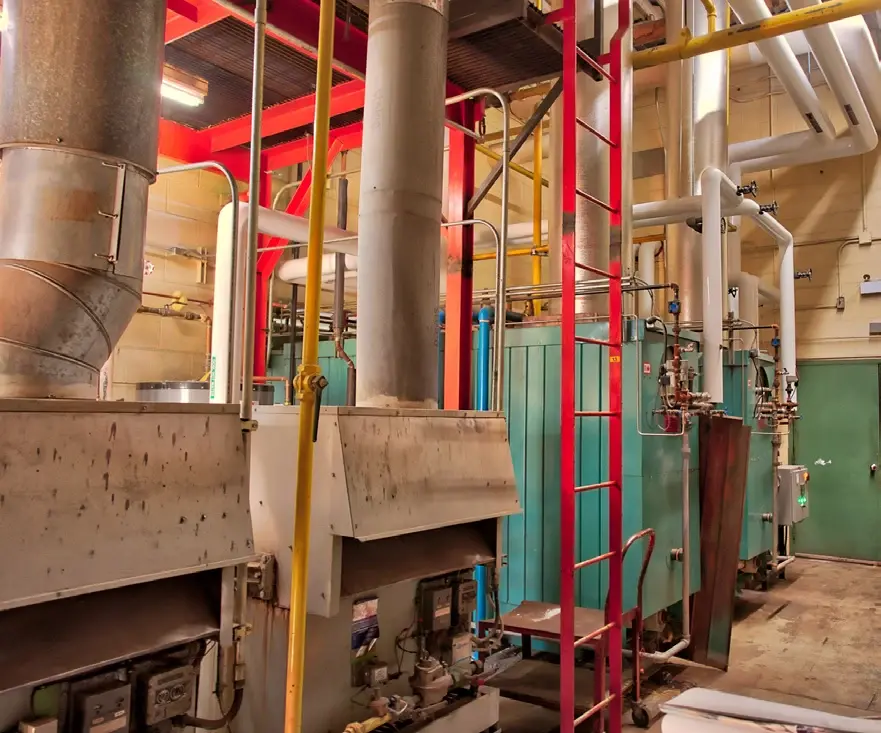
800 kW of combined heat and power, installed without stopping the line.
The problem we were solving
Coca-Cola was carrying high electricity costs at its North York bottling plant and needed system steam inside the existing facility.
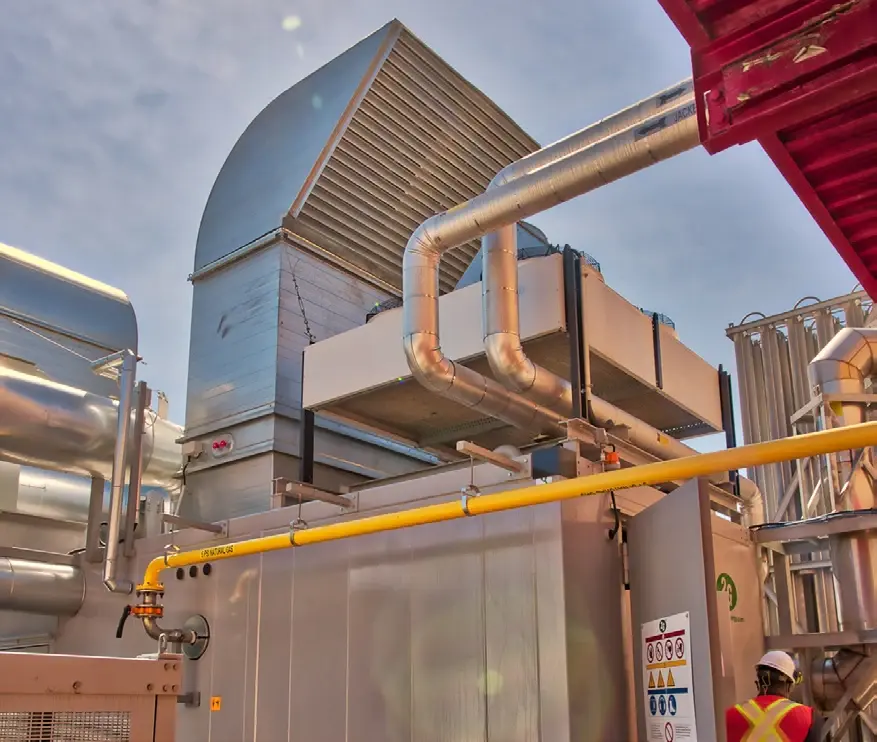
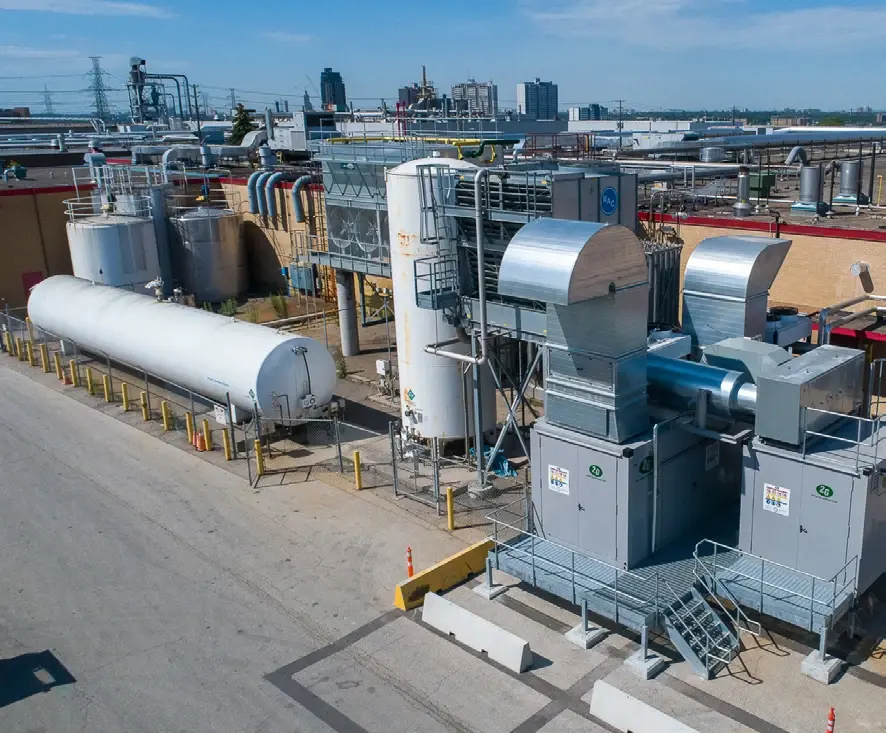
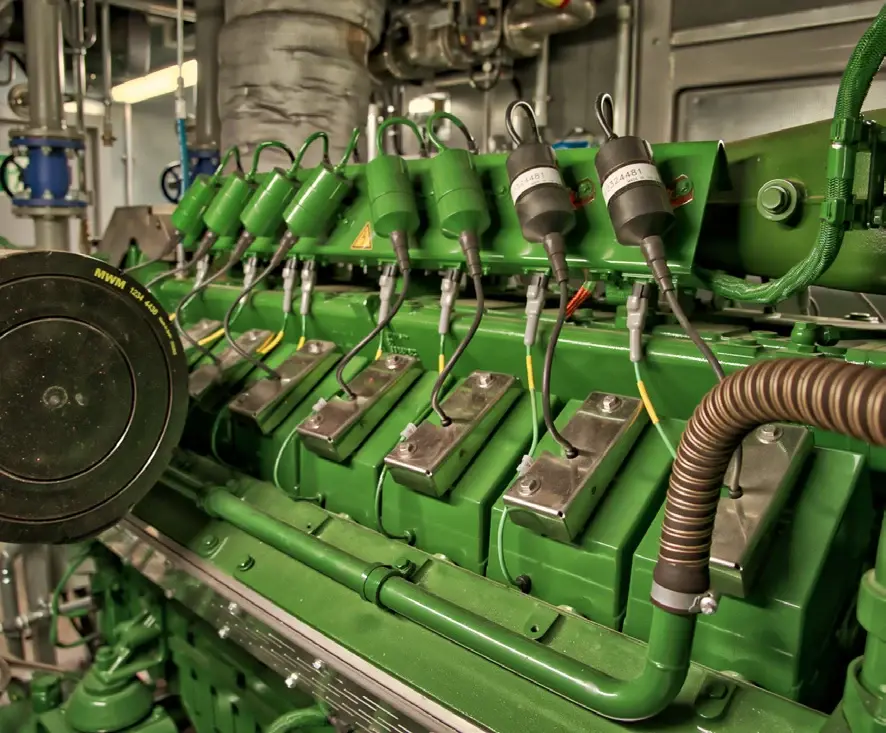
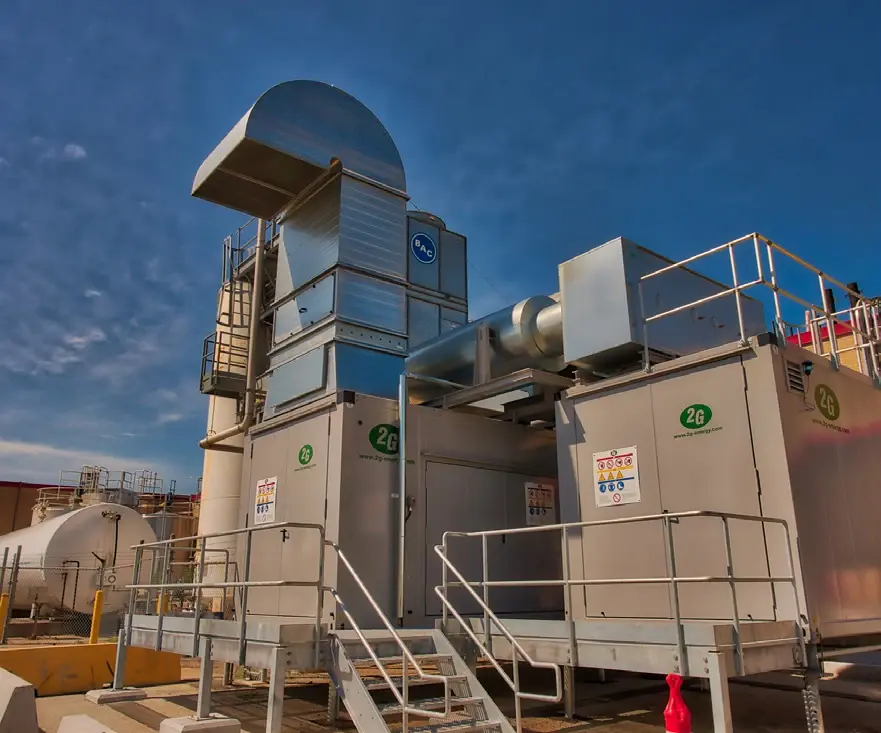
The scope covered an 800 kW CHP system and two new 500 bhp boilers at 24 Fenmar Drive. The CHP unit provides system steam and heat generating capability to the existing infrastructure, while the new boilers replaced four older units to deliver high-pressure steam to the plant, including a newly installed pasteurizing system.
Together the work improved boiler efficiency to support facility expansion and cut the plant’s electrical draw on the local distribution grid, reducing electricity costs. All of it was delivered as a turn-key EPC project in collaboration with CEM Engineering.
Key Project Components
What the project involved.
Turn-key EPC delivery in collaboration with CEM Engineering.
Construction project management and site safety protocols, including site-specific COVID-19 requirements.
Demolition of four existing boilers and associated electrical, mechanical, and piping.
Civil construction including helical piers for the main engine compartment and the auxiliary equipment compartment.
Temporary boiler with associated piping and electrical to keep the facility operating during construction.
Installation of two new 500 bhp boilers with associated electrical, mechanical, and piping systems.
New Heat Recovery Steam Generator, accumulator tank, condensate tank, hot water loop piping, and high-pressure steam header to the new pasteurizer.
Natural gas line to the CHP unit and new boilers.
1600A bus extension from existing switchgear to a new 600V 1200A generator breaker section.
Associated cabling between the new generator breaker and the CHP unit.
Challenges & Solutions
A bottling plant that could not go dark.
Production had to continue. A temporary boiler with its own piping and electrical kept the facility running while four existing boilers were demolished and replaced.
Helical piers carried the main engine and auxiliary equipment compartments, avoiding conventional foundations in a constrained, fully built-out plant.
A 1600A bus extension and new 600V 1200A generator breaker had to integrate with existing switchgear, then be commissioned without risk to the plant’s electrical system.
Key Takeaways
What this project proved.
Temporary plant capacity is what makes a boiler replacement possible in a facility that cannot shut down.
Pairing CHP with boiler replacement solves cost and capacity in one project rather than two.
One EPC partner across demolition, civil, mechanical, and electrical removes the gaps between scopes.
Energy work inside a live production facility.
This project shows Stolk delivering a complete cogeneration and boiler replacement at an operating bottling plant, from demolition through commissioning.
It reinforces our capability on industrial energy projects where uptime, utility coordination, and return on investment all have to be protected at once.